
How Families Can Make Temporary Accommodation Feel More Like Home
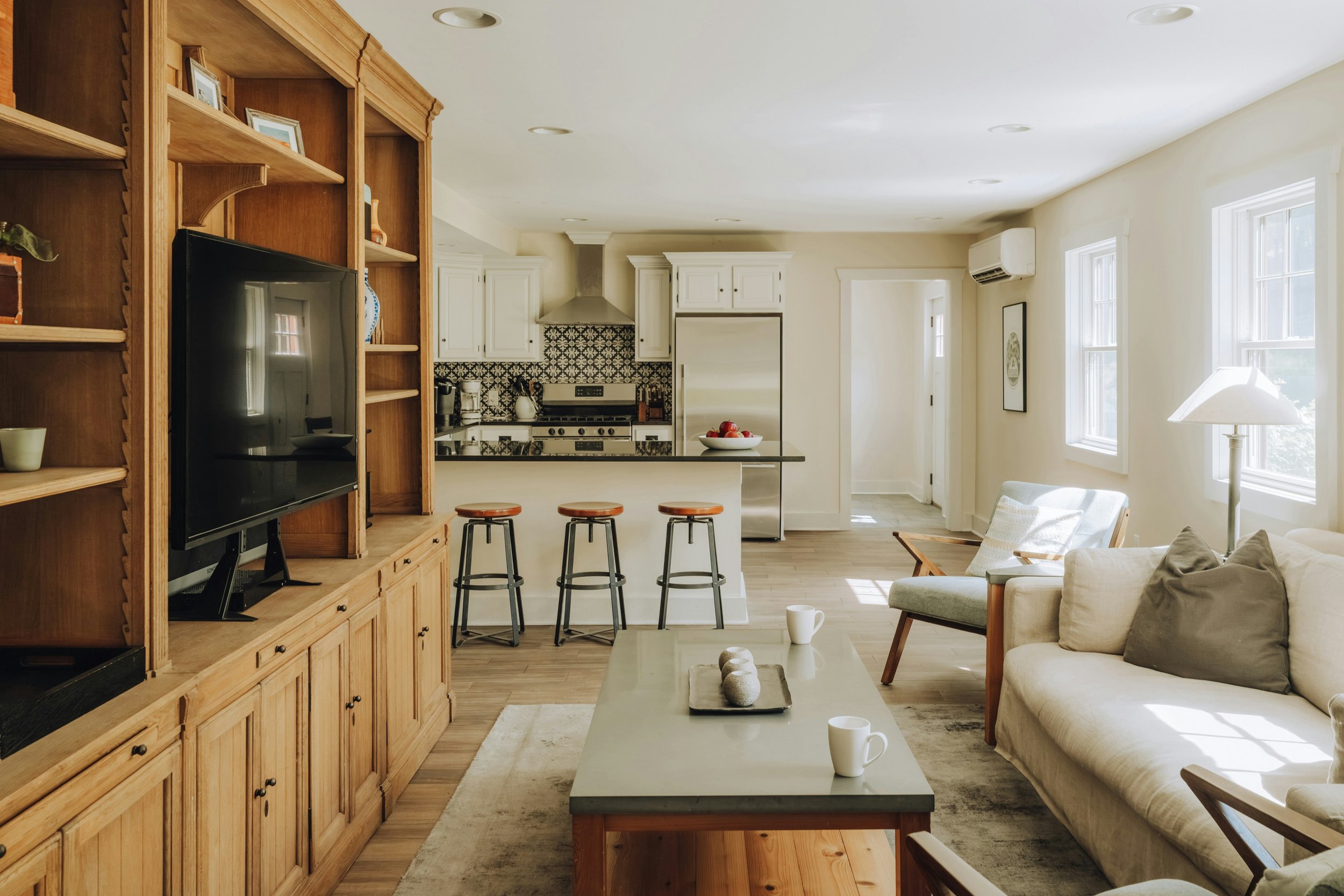
Moving into temporary accommodation can feel strange.
One day, you're surrounded by your familiar routines, belongings and favourite places. The next, you're living out of suitcases in a property that doesn't quite feel like yours.
For families, this can be even more challenging. Children may be adjusting to a new area or school, parents may be dealing with work and relocation logistics, and everyone is trying to settle into a temporary routine.
But temporary doesn't have to mean uncomfortable.
With a few simple changes, a temporary property can quickly start to feel much more like home.
Unpack Properly — Don't Live Out of Suitcases
It might seem pointless to unpack if you're only staying for a few weeks or months.
But living out of suitcases can make a temporary home feel even more temporary.
Give everyone their own wardrobe or storage space and unpack the things you'll use regularly. Put clothes away, organise toiletries and set up the children's belongings.
It doesn't need to be perfect. The goal is simply to make the property feel like somewhere you're living rather than somewhere you're staying.
Bring a Few Familiar Things From Home
You don't need to transport your entire house.
A few familiar items can make a surprisingly big difference.
For children, this might be a favourite teddy, blanket, books or toys. For adults, it could be photographs, a favourite mug, cushions or something that has sentimental value.
These small touches can help make an unfamiliar space feel recognisable.
Create a Routine
When everything around you has changed, routine becomes even more important.
Try to maintain familiar mealtimes, bedtimes and weekend routines where possible.
If children are involved, creating predictable routines can help them adjust to their new surroundings.
Even something as simple as having breakfast together before school or choosing a regular family film night can make temporary accommodation feel more settled.
Make the Kitchen the Heart of the Home
One of the biggest advantages of serviced or temporary accommodation with a proper kitchen is the ability to continue normal family life.
Rather than relying on takeaway meals or eating out every night, do a food shop and cook some of your usual meals. Find the nearest supermarket and stock the kitchen with familiar essentials. The smell of a favourite meal cooking can do more to make a property feel like home than expensive furniture ever could.
Let the Children Have Some Ownership
If you're relocating with children, involve them in making the space their own. Let them choose where their toys go, arrange their bedroom or decide where some of their favourite belongings should be displayed.
Even small choices can help children feel that they have some control over an unfamiliar situation.
You could also explore the local area together and let them choose a new favourite park, café or activity.
Explore the Neighbourhood
A property starts to feel like home when the area around it becomes familiar too.
Instead of spending all your free time inside, explore what's nearby.
Find:
Local parks
Shops and supermarkets
Cafés and restaurants
Schools and nurseries
Gyms and leisure centres
Walking routes
Family activities
Finding your new "usual" places can make the area feel much less unfamiliar.
Make the Space Comfortable
You don't need to redecorate a temporary property.
But there are simple ways to make it more comfortable.
Soft blankets, cushions, children's artwork, family photographs or a few familiar decorations can add personality without creating a lot of extra work.
Good lighting can also make a significant difference, particularly during darker evenings. The aim isn't to transform the property completely. It's to add enough familiar touches to make it feel lived in.
Create a Space to Switch Off
If parents are working remotely or dealing with relocation arrangements, it can be tempting for the whole property to become a workspace.
Try to create some separation between work and family time.
A dedicated workspace can help parents finish the working day and mentally switch off, while keeping the living areas focused on family life.
For children, having a familiar area for homework, reading or play can also help establish a sense of normality.
Keep Some Family Traditions Going
Temporary accommodation doesn't mean putting normal life on hold.
Keep doing the things your family enjoys. Whether that's Sunday breakfast, movie nights, board games, Friday takeaway or a weekly trip somewhere new, familiar traditions can provide a sense of stability. You may even create a few new traditions during the temporary stay.
Remember That Temporary Doesn't Mean "Not Home"
Perhaps the biggest mindset shift is recognising that home isn't necessarily a particular address.
Home is the routines, people and familiar moments you create around you.
A temporary property may only be yours for a few weeks or months, but that doesn't mean it can't be comfortable, welcoming and personal.
For families waiting for a new home to become available, relocating for work or dealing with unexpected circumstances, the right temporary accommodation can provide much more than somewhere to sleep.
It can provide a stable base while everything else is changing.
Making Temporary Accommodation Work for Your Family
The best temporary accommodation is practical from the beginning.
A fully furnished property, comfortable living space, kitchen, laundry facilities, reliable Wi-Fi and convenient location can make everyday family life considerably easier.
And once you've added a few familiar belongings, established routines and explored the local area, that unfamiliar property can start to feel surprisingly familiar.
Because sometimes, home isn't where you planned to be. It's where your family is together.