
How to Drive More Mid-Stay and Long-Stay Bookings for Your Property
When it comes to accommodation, not every guest is looking for a weekend getaway.
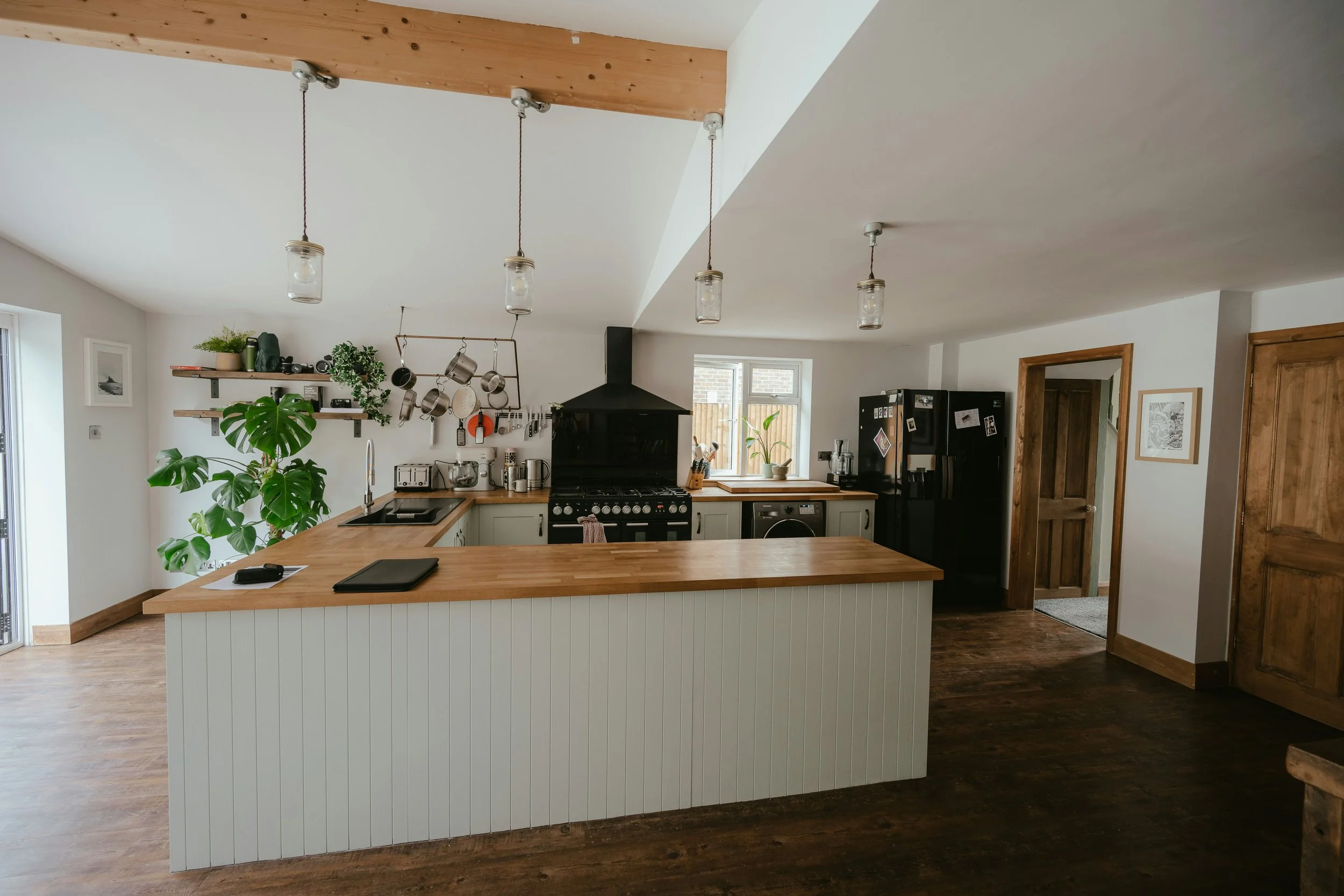
Increasingly, guests are looking for somewhere they can stay for several weeks or even months — a place that feels more like home than a traditional hotel room. From relocating employees and contractors to business travellers, families between homes and people working on longer-term projects, the demand for mid-stay and long-stay accommodation creates a valuable opportunity for property owners and accommodation providers.
But attracting these guests requires a different approach.
A property designed around short stays may already perform well for weekend bookings, yet longer stays require a strategy focused on value, convenience, flexibility and the overall guest experience.
So, how can you attract more mid-stay and long-stay bookings — and turn longer reservations into a reliable source of occupancy and revenue?
What Are Mid-Stay and Long-Stay Bookings?
Before looking at how to attract longer reservations, it's useful to understand what we mean by a mid-stay or long stay.
There isn't one universal definition, but generally:
Short stays are typically a few nights.
Mid stays can range from around a week to several weeks.
Long stays can extend from a month to several months or more.
The exact definition will depend on your property, market and booking model.
The important thing is that these guests have different expectations from someone booking a two-night city break.
A guest staying for six weeks isn't simply buying a bed for the night. They're looking for somewhere they can live comfortably for an extended period.
That distinction should shape your entire marketing strategy.
Why Mid-Stay and Long-Stay Guests Are Valuable
Longer bookings can offer several advantages for property owners.
The most obvious is occupancy. Instead of constantly relying on new bookings to fill individual nights, one longer reservation can secure occupancy for weeks at a time. This can reduce the gaps between bookings and potentially reduce the time and resources spent on frequent turnovers.
Longer stays can also provide a more predictable revenue stream. For example, imagine your property has a 28-night gap in the calendar. Filling that period with one extended-stay guest could be considerably more efficient than trying to fill every individual night separately.
There can also be operational benefits. Fewer check-ins, fewer check-outs and fewer cleaning turnovers can mean less day-to-day administration and potentially lower operating costs.
But there is another major benefit: Mid-stay and long-stay guests can become repeat customers.
A contractor who stays with you for three months may return for another project. An employee relocating to the area may recommend your property to colleagues. A company that regularly needs accommodation may become a valuable corporate client.
The opportunity isn't simply to fill the calendar. It's to build longer-term relationships.
1. Understand Who Needs Longer-Stay Accommodation
One of the biggest mistakes property owners make is marketing to "everyone." If you want more mid-stay and long-stay bookings, identify the people who actually need them.
Potential guest segments include:
Relocating employees
People moving to a new area often need temporary accommodation while they search for a permanent home.
This makes relocation accommodation a particularly strong mid-stay market.
Corporate travellers
Businesses regularly need accommodation for employees working away from home. Unlike traditional leisure guests, corporate travellers may stay for several weeks or months.
Contractors and project workers
Construction, engineering, infrastructure and other industries often require workers to remain in one location for extended periods. For these guests, practical accommodation can be more important than traditional hotel-style extras.
Families between homes
A property sale, renovation or delayed completion can leave families needing somewhere to live temporarily. They are likely to value facilities such as kitchens, laundry facilities, parking and multiple bedrooms.
Insurance and emergency accommodation
Guests may need temporary accommodation following property damage, flooding, fire or other unexpected circumstances. These stays can sometimes last significantly longer than a standard booking.
Students and academics
Depending on your location, students, visiting academics and researchers can provide another source of extended-stay demand. Understanding these audiences allows you to create marketing that speaks directly to their needs.
2. Make Your Property Feel Like a Home
This is perhaps the most important consideration. A guest staying for two nights may be perfectly happy with a comfortable bed, bathroom and somewhere to put their suitcase.
A guest staying for two months will have very different expectations.
They want somewhere they can live.
That means highlighting practical features such as:
Fully equipped kitchens
Washing machines
Reliable WiFi
Comfortable workspaces
Dining areas
Storage
Parking
Heating and cooling
Comfortable living areas
Television and entertainment
Plenty of wardrobe space
Don't simply list these features. Explain the benefit.
Instead of saying:
"Washing machine available."
Consider:
"Settle into a home-from-home with your own washing machine, making longer stays simple and convenient."
The difference is subtle, but you're selling an experience rather than a feature.
3. Create Dedicated Long-Stay Offers
If your website only presents your property as a nightly accommodation option, potential long-stay guests may assume that longer bookings aren't encouraged.
Make it obvious that you welcome extended stays. Create a dedicated long-stay accommodation page on your website.
You could include:
Weekly rates
Monthly rates
Long-stay discounts
What's included
Housekeeping arrangements
Utility information
Wi-Fi details
Parking
Check-in information
Local amenities
Nearby businesses
Transport links
Frequently asked questions
4. Use Long-Tail SEO Keywords
If you're serious about attracting mid-stay and long-stay bookings through Google, your SEO strategy needs to reflect how people actually search.
Don't only target broad terms such as:
"accommodation in Birmingham"
These searches can be extremely competitive.
Instead, target more specific phrases that reveal booking intent.
For example:
Long stay accommodation in Birmingham
Monthly accommodation in Birmingham
Extended stay accommodation Birmingham
Corporate accommodation Birmingham
Temporary accommodation Birmingham
Relocation accommodation Birmingham
Accommodation for contractors Birmingham
Serviced accommodation for long stays Birmingham
Replace "Birmingham" with your actual location.
These long-tail keywords may have lower search volumes, but they can be much more relevant to the guests you're trying to attract.
5. Build Landing Pages Around Guest Needs
One page doesn't have to do everything. Consider creating dedicated pages for different audiences.
For example:
Long Stay Accommodation
Target guests looking for extended accommodation.
Corporate Accommodation
Target businesses booking accommodation for employees.
Relocation Accommodation
Target individuals and families moving to the area.
Contractor Accommodation
Target contractors and project workers.
Monthly Accommodation
Target people looking for accommodation for a month or longer. Each page should provide genuinely useful information rather than simply repeating keywords.
Google increasingly rewards content that satisfies the searcher's intent. And your potential guests will appreciate it too.
6. Make Your Pricing Easy to Understand
Price is an important part of the long-stay decision.
But simply offering a discount isn't necessarily enough. Make your longer-stay pricing easy to understand.
For example, you might offer:
Weekly rates
14-night rates
28-night rates
Monthly rates
Corporate rates
Custom rates for longer bookings
You could also explain what's included.
Does the rate include:
WiFi?
Utilities?
Cleaning?
Linen?
Parking?
Maintenance?
Kitchen facilities?
The more transparent your pricing is, the easier it is for potential guests to compare your property with alternatives.
7. Don't Compete on Price Alone
It can be tempting to think that the easiest way to attract long-stay bookings is to offer the cheapest rate.
That isn't necessarily the best strategy. Long-stay guests are often buying convenience and certainty.
If your property provides a fully equipped kitchen, excellent Wi-Fi, parking, flexible check-in, comfortable workspace and a convenient location, those benefits have value.
Your marketing should communicate that value. Instead of saying:
"Cheap long-term accommodation."
You could position your property around:
"Comfortable, fully equipped accommodation designed for extended stays."
The first competes on price. The second competes on the overall experience.
8. Target Businesses Directly
If you want more long-stay bookings, don't rely entirely on individual consumers. Businesses can be an excellent source of extended-stay demand.
Identify companies in your local area that regularly bring people into the region.
These might include:
Construction companies
Engineering firms
Recruitment agencies
Healthcare organisations
Universities
Infrastructure companies
Manufacturing businesses
Corporate offices
Relocation companies
Property management companies
Then introduce your accommodation.
A business that needs to accommodate several employees over multiple months could potentially become much more valuable than a series of individual short bookings.
Consider creating a simple corporate accommodation information pack explaining your property, rates, facilities and booking process.
9. Work With Relocation Companies
Relocation is a particularly interesting market for accommodation providers. When someone moves for work, they may need somewhere to stay before their permanent accommodation is ready.
That creates a natural need for temporary relocation accommodation. Building relationships with relocation companies, HR departments and mobility providers can put your property in front of people at exactly the right time.
Your property should clearly communicate that you're suitable for people who need somewhere comfortable while transitioning between homes.
10. Showcase the Local Area
Long-stay guests aren't only choosing your property.
They're choosing your location.
That's why your website should explain what it's like to live nearby.
Highlight:
Supermarkets
Restaurants
Gyms
Parks
Public transport
Train stations
Hospitals
Business parks
Universities
Local attractions
Walking routes
Cafés
Shopping areas
Think about the questions someone staying for six weeks would ask.
Where will I buy groceries?
How long will it take me to get to work?
Is there somewhere nearby to exercise?
Can I walk to a restaurant?
Where can I do my laundry?
Answer those questions before the guest has to ask.
11. Make Longer Stays Convenient
Convenience can be a major differentiator.
Consider what would make a guest's life easier over several weeks.
Could you offer:
Flexible check-in?
Regular housekeeping?
Linen changes?
Maintenance support?
Grocery delivery information?
Local recommendations?
Flexible booking extensions?
Parking?
Mail or parcel handling?
A dedicated contact?
These details might seem small, but over a 30-, 60- or 90-night stay, they can have a significant impact on the guest experience.
12. Make Booking Extensions Easy
Here's an opportunity that many accommodation providers overlook. Your existing guests are already familiar with your property.
If their project is extended, their house purchase is delayed or their plans change, they may need to stay longer.
Make it easy for them to extend. A simple message before their departure could say:
"Need to stay a little longer? Contact us to check availability and extended-stay rates."
You may turn a 14-night booking into a 30-night booking without acquiring a completely new guest.
13. Think Beyond Occupancy
It's tempting to measure success purely through occupancy.
But for mid-stay and long-stay accommodation, there are other useful metrics.
Track:
Average length of stay
Revenue per booking
Cost of acquiring a booking
Repeat bookings
Corporate enquiries
Booking extensions
Website enquiries
Conversion rate
Long-stay occupancy
Average monthly revenue
A property with slightly fewer bookings but significantly longer stays may have a very different — and potentially more efficient — operating model.
The Long-Stay Opportunity Is Bigger Than You Think
The accommodation industry can sometimes become obsessed with filling individual nights.
But there is another way to think about your calendar.
Instead of asking:
"How do I fill Friday night?"
ask:
"How do I fill the next 30 nights?"
That shift in perspective can change your entire marketing strategy.
Mid-stay and long-stay guests aren't simply another customer segment. They represent an opportunity to create more predictable occupancy, build corporate relationships and reduce the constant pressure of filling individual nights. The key is understanding what these guests actually want.
Make your property feel like a home. Build relationships with local businesses and relocation partners. Make pricing transparent. And create an experience that encourages guests a location that works for their everyday life.
Most importantly, they want somewhere they can genuinely settle in.
Final Thoughts: Turn Longer Stays Into a Growth Strategy
Driving more mid-stay and long-stay bookings isn't about offering a discount and hoping someone stays longer.
It's about deliberately positioning your property as a solution for people who need accommodation for weeks or months.
Identify your ideal guests. Create dedicated long-stay and corporate accommodation pages. Target high-intent long-tail keywords. Make your property feel like a home. Build relationships with local businesses and relocation partners. Make pricing transparent. And create an experience that encourages guests to extend their stay or return in the future.
When you stop marketing your property solely as somewhere to spend a night and start marketing it as somewhere to live, work and settle temporarily, you open the door to a much broader market.
And sometimes, the most valuable booking isn't the one that checks in on Friday and leaves on Sunday.
It's the one that stays for 30 nights — and comes back next month.