
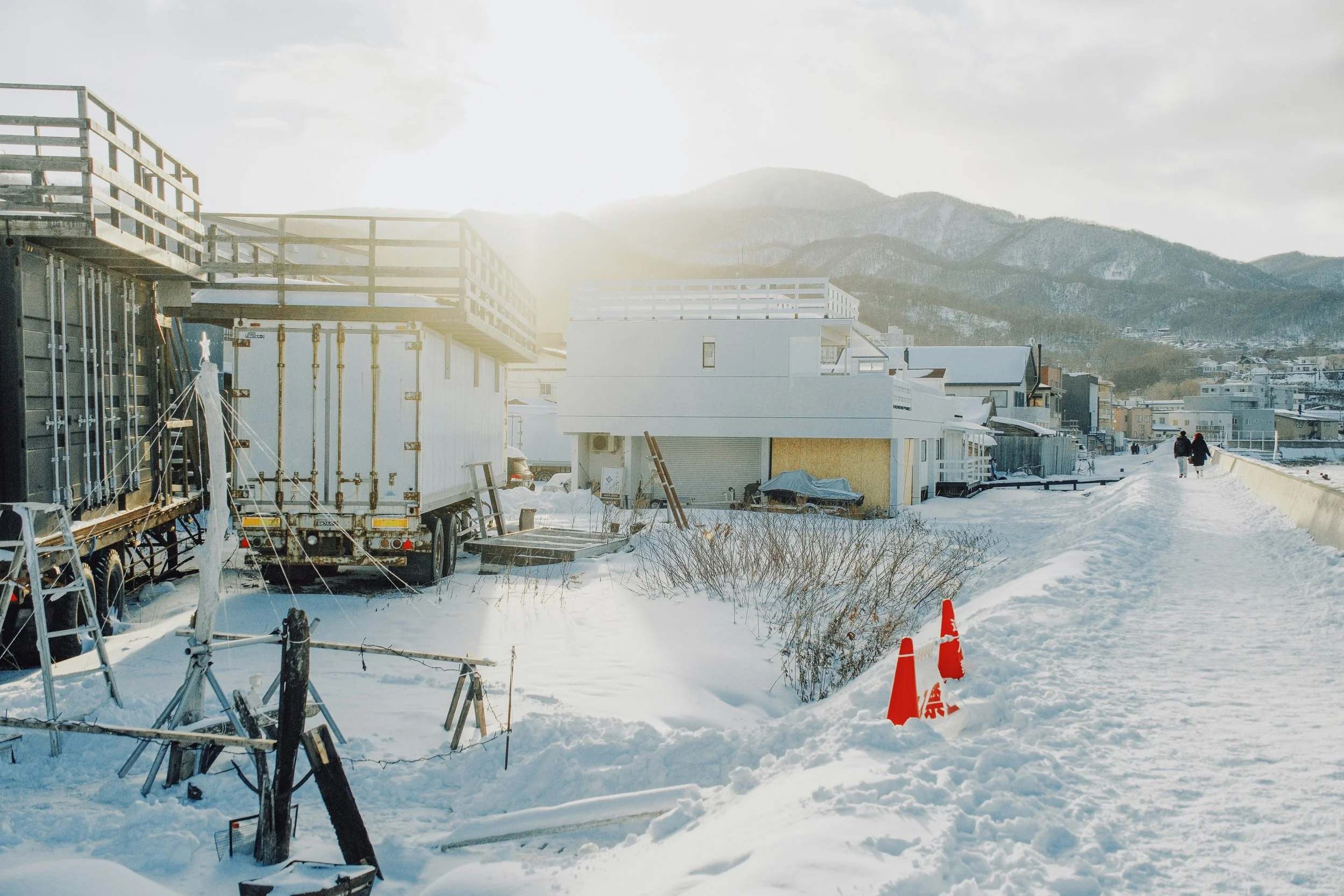
Finding suitable accommodation for contractors is challenging enough when a project is based in a major town or city. But what happens when your workforce needs to operate near a remote construction site, a rural infrastructure project, or a location miles away from the nearest town?
For project managers, construction companies, and workforce coordinators, arranging contractor accommodation near remote worksites requires more than simply finding somewhere to sleep. You need to consider travel times, access to essential facilities, shift patterns, availability, and the overall cost of keeping your team close to the job.
Whether you're managing a construction project, a utilities contract, a renewable energy installation, or a major engineering assignment, getting accommodation right can help your workforce stay comfortable, productive, and ready for work.
Here's how to approach the challenge and find practical accommodation solutions for contractors working in hard-to-reach locations.
Why Is Contractor Accommodation Near Remote Worksites So Challenging?
Remote projects often come with unique logistical difficulties. Accommodation options may be limited, public transport may be unreliable or unavailable, and local hotels can quickly become fully booked when several contractors arrive in the same area.
In some cases, the nearest suitable accommodation may be a considerable distance from the worksite. This creates additional travel time, increases fuel costs, and can make early starts or late finishes more difficult to manage.
There is also the question of how long the project will last. A short assignment may require accommodation for a few nights, while a longer contract could mean housing a team for several weeks or months.
Project requirements can change, too. Delays, weather conditions, and changes in workforce numbers may mean accommodation needs to be extended or arranged at short notice.
1. Prioritise Location Over Distance Alone
When searching for accommodation near a remote worksite, the closest property is not always the most practical option.
A property may appear nearby on a map but involve difficult rural roads, limited access routes, or a lengthy journey during peak traffic periods.
Instead, consider the actual journey between the accommodation and the worksite. Look at road access, expected driving times, parking availability, and whether the route is suitable for the vehicles your team uses.
For particularly remote projects, it may be more effective to accommodate contractors in a nearby town or regional hub where there is better access to shops, supermarkets, fuel stations, and other essential services.
The aim is to strike a balance between convenient access to the site and comfortable living arrangements for your workforce.
2. Choose Accommodation That Suits Your Workforce
The best accommodation for contractors depends on the size of the team, the length of the project, and the practical requirements of the job.
Hotels can work well for short stays or individual workers. However, for teams staying away from home for extended periods, serviced accommodation for contractors can offer a more practical alternative.
Depending on the property, serviced accommodation may provide:
Fully equipped kitchens for preparing meals.
Separate bedrooms and comfortable living spaces.
Laundry facilities for work clothes and everyday essentials.
Parking for cars, vans, and other permitted vehicles.
Wi-Fi and facilities that support day-to-day living.
These features can be particularly valuable for contractors working long shifts or staying in rural locations where dining and other services are limited.
For larger teams, suitable shared accommodation may also help simplify bookings and keep workers based in the same general area. However, bedroom arrangements, privacy, and individual requirements should always be considered.
3. Calculate the True Cost of Accommodation
When managing a project budget, it is tempting to focus on the nightly accommodation rate. But the cheapest property is not necessarily the most cost-effective solution.
Consider the full cost of the arrangement, including accommodation, fuel, daily travel time, parking, cleaning charges, and any additional booking fees.
For example, accommodation that costs slightly more per night may offer better overall value if it significantly reduces daily travel distances for several workers.
Longer assignments may also benefit from negotiated weekly or monthly rates, where available. If your project dates are uncertain, check whether extensions are possible and understand how additional nights will be charged.
By assessing the total cost rather than the headline price, project managers can make more informed decisions and avoid unnecessary expenditure.
4. Plan Around Shifts, Project Timelines, and Changing Requirements
Remote worksites frequently operate outside standard office hours. Contractors may need to start early, finish late, or work rotating shifts depending on the project.
Accommodation should support these working patterns.
Consider whether check-in arrangements accommodate late arrivals, whether parking is accessible at different times, and whether the property provides a comfortable environment for workers who need adequate rest between shifts.
It is also important to establish how long the accommodation will be required. If a contract is expected to last six weeks, for example, discuss the possibility of extensions before confirming the booking.
For urgent deployments, look for providers who can respond quickly, clarify availability, and help identify suitable options at short notice.
A flexible approach makes it easier to adapt when project schedules or workforce requirements change.
5. Make Comfort and Safety Part of the Decision
Contractors working in remote locations may spend long days travelling and carrying out physically demanding work. Comfortable accommodation can help them rest properly and maintain a better routine while away from home.
Check that properties offer suitable heating, hot water, reliable facilities, appropriate sleeping arrangements, and clear access instructions.
You should also consider the security of the location, safe parking, and any specific requirements for storing tools or equipment. Never assume that a residential property is suitable for equipment storage without checking with the provider and confirming appropriate security and insurance arrangements.
Before booking, ensure the accommodation meets the relevant safety requirements and that the arrangements are suitable for the number of occupants.
These details may seem small, but they can have a meaningful impact on the overall experience of working away from home.
6. Work With an Accommodation Provider Who Understands Project Needs
When a project is located far from established business centres, finding suitable accommodation can take considerable time.
An accommodation provider familiar with contractor and workforce requirements may help streamline the process by understanding your location, team size, arrival dates, budget, and preferred facilities.
Rather than searching for individual rooms without a clear plan, provide a concise brief covering:
The worksite location and expected travel distance.
The number of contractors requiring accommodation.
Arrival dates and anticipated length of stay.
Bedroom, parking, and kitchen requirements.
Budget and potential extension needs.
Providing this information early helps narrow the options and makes it easier to identify a suitable solution.
For businesses managing multiple projects, establishing a relationship with a reliable accommodation provider can also make future bookings more straightforward.
Find the Right Contractor Accommodation for Your Next Project
Housing contractors near remote or hard-to-reach worksites requires careful planning, but it doesn't have to become a logistical headache.
By prioritising practical location, suitable facilities, transparent costs, flexible booking arrangements, and workforce comfort, businesses can make better accommodation decisions and support smoother project delivery.
Whether you're arranging accommodation for a small engineering team, a group of construction workers, or a larger workforce on a long-term infrastructure project, the right solution should work for both your people and your budget.
Need contractor accommodation near a remote worksite? Get in touch to discuss your project location, workforce requirements, and timescales to explore suitable accommodation options at reservations@silverlakeltd.com.
Because when your team needs to get the job done, having the right place to stay is an essential part of the plan.