
Hotels are often the first choice when businesses need to accommodate employees working away from home. They're convenient, easy to book, and ideal for short business trips. But what happens when a three-night stay turns into a week, a two-week project, or a month-long assignment?
Suddenly, the costs start to add up.
For businesses managing contractors, engineers, construction teams, consultants, or employees working on projects away from their usual location, putting employees in hotels for seven days or more can become an expensive accommodation strategy.
The nightly room rate is only part of the picture. Dining out, laundry, parking, additional bookings, and the impact of living in a hotel room for an extended period can all affect your budget and your team's experience.
So, is there a smarter way to accommodate employees on longer assignments? Let's explore the hidden costs of extended hotel stays and why serviced accommodation could be a more practical alternative.
1. The Nightly Rate Is Only the Beginning
When comparing accommodation options, it's easy to focus on the advertised price per night.
For a short business trip, this may be perfectly reasonable. However, when multiple employees need accommodation for seven nights or longer, even a small difference in the nightly rate can have a significant impact on the overall project budget.
Consider a simple example. If a hotel room costs £120 per night, seven nights will cost £840 per employee, before any additional expenses. For a team of five, that's £4,200 for just one week of accommodation.
Extend the assignment to four weeks, and the room cost alone reaches £16,800 for five employees, assuming the same nightly rate and continuous availability.
These figures are illustrative, but they demonstrate how quickly accommodation expenses can grow.
For project managers and business owners working with fixed budgets, reviewing accommodation costs over the entire assignment — rather than one night at a time — can reveal opportunities to reduce expenditure.
2. Eating Out Every Day Adds Up
One of the biggest overlooked expenses of an extended hotel stay is food.
Without access to a suitable kitchen, employees may need to rely on restaurants, takeaways, hotel dining, or convenience food throughout their stay.
Even when businesses provide meal allowances, these expenses can accumulate over a week or longer.
For example, if an employee spends £30 a day on meals, that's £210 over seven days. Across a team of five, the total reaches £1,050 in one week.
Actual spending will vary depending on the location, meal arrangements, and company policy, but the principle remains the same: extended stays create recurring costs beyond the room itself.
Serviced accommodation with kitchen facilities can give employees the option to prepare their own meals, helping them manage their food expenses and maintain more familiar routines while away from home.
For businesses, this can make longer assignments more practical without compromising employee comfort.
3. Laundry, Parking and Other Everyday Expenses
Hotels provide convenience, but extended stays introduce practical needs that are easy to overlook when arranging accommodation.
Employees working on construction sites, infrastructure projects, engineering contracts, or other hands-on assignments may need regular access to laundry facilities.
Parking can also become an additional expense, particularly when employees travel in vans or use their own vehicles to reach remote worksites.
Other costs may include:
Laundry services and dry cleaning.
Hotel parking charges.
Additional meal and refreshment expenses.
Transport between accommodation and the worksite.
Booking extensions or changes when project dates shift.
Individually, these expenses may appear manageable. Across several employees and multiple weeks, however, they can have a noticeable effect on the total cost of accommodating a project team.
When comparing hotels with alternative accommodation, businesses should calculate the full cost of the stay rather than looking at the room rate alone.
4. The Impact on Employee Comfort and Productivity
Accommodation costs aren't just financial. The quality of the accommodation experience can also influence how employees feel and perform while working away from home.
A standard hotel room may be suitable for a short trip, but spending several weeks in one room can become restrictive.
Employees may have limited space to relax, prepare meals, wash clothes, or maintain their usual routines. For workers completing long shifts, having a comfortable environment to return to can make a meaningful difference to their experience.
This is particularly relevant for contractors and project teams who may already be dealing with demanding schedules, early starts, and long commutes.
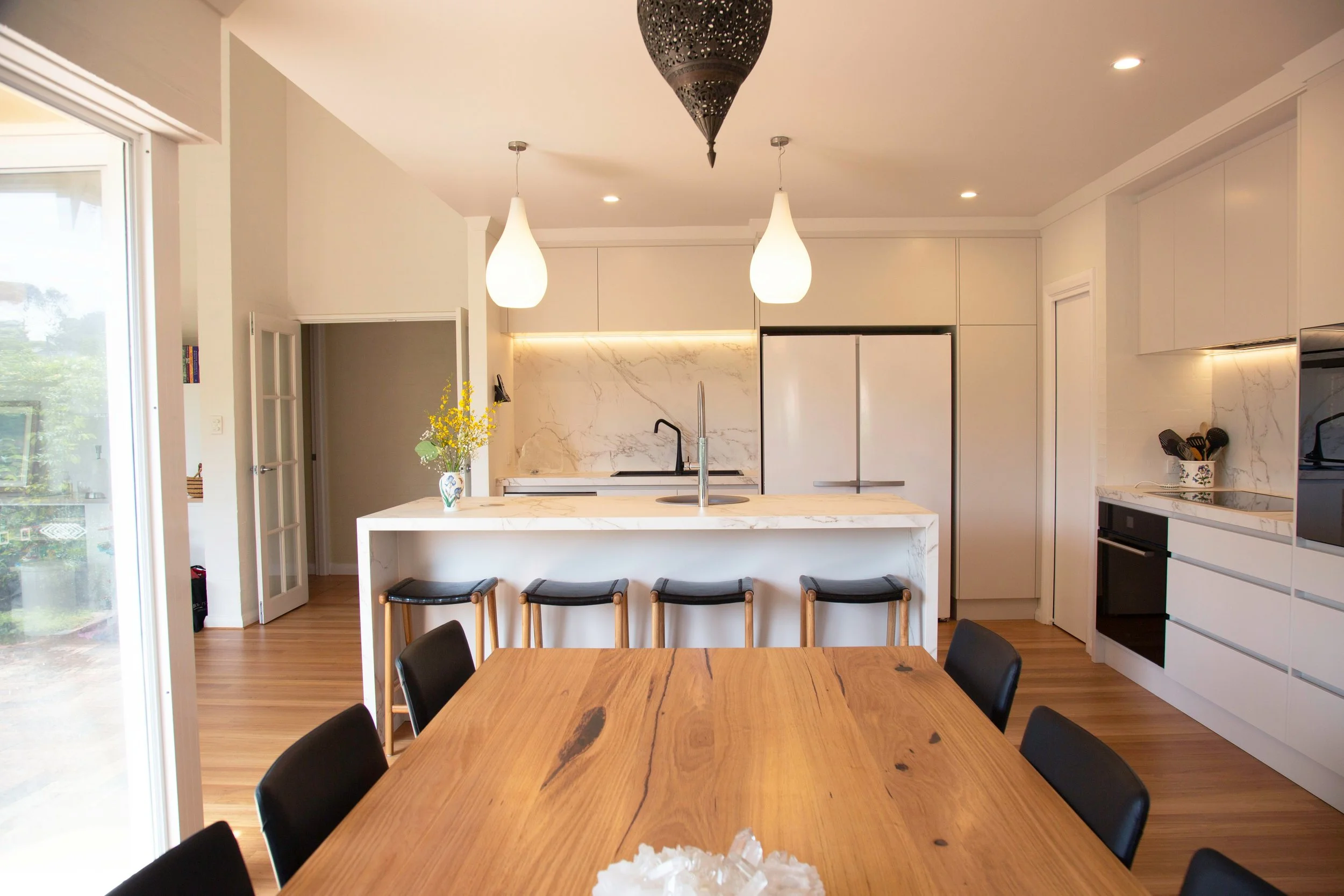
Serviced accommodation can offer a more residential environment, with features such as separate bedrooms, living areas, fully equipped kitchens, and laundry facilities, depending on the property.
While accommodation alone cannot guarantee better productivity, providing a suitable place to rest and recharge can help businesses support their workforce throughout an extended assignment.
5. Why Serviced Accommodation Could Be a Smarter Alternative
For longer stays, serviced accommodation is worth considering alongside traditional hotels.
Unlike a standard hotel room, serviced accommodation typically provides a furnished living space with facilities designed for everyday use.
Depending on the property, employees may benefit from:
Fully equipped kitchens to prepare meals.
Separate living and sleeping areas for greater comfort.
Laundry facilities for longer stays.
Parking options that suit the team's travel requirements.
Flexible booking arrangements for projects with changing timelines.
For businesses accommodating multiple employees, suitable properties may also allow teams to stay in the same location, making coordination easier.
Another potential advantage is pricing. Some serviced accommodation providers offer weekly or monthly rates, which may be more cost-effective than comparable hotel stays.
However, savings are not automatic. The final cost depends on the property, location, length of stay, number of occupants, cleaning charges, and other booking terms.
The best approach is to compare like for like: total accommodation costs, facilities, travel expenses, and the needs of your workforce.
6. A Simple Way to Compare the True Cost
Before booking accommodation for a week-long project or longer assignment, consider creating a basic comparison.
Include the following costs for each option:
Total room or property charges for the full stay.
Expected food and meal expenses.
Laundry and parking costs.
Travel time and transport expenses.
Cleaning fees, deposits, and other applicable charges.
The cost of extending the booking if the project runs over schedule.
For example, a hotel might appear cheaper at first glance, but additional meal and parking expenses could narrow the difference. Equally, a serviced apartment with a higher initial price may not offer savings once all charges are included.
A transparent comparison helps project managers make decisions based on actual costs rather than assumptions.
It also makes it easier to establish an accommodation policy for future projects, especially if your business regularly deploys employees across different locations.
Stop Treating Long-Term Accommodation Like a Short Business Trip
Hotels remain an excellent option for overnight stays and many short business trips. But when employees need accommodation for seven days, two weeks, or even several months, it's worth questioning whether a hotel is still the most suitable choice.
For businesses managing construction projects, engineering contracts, corporate assignments, or temporary workforce deployments, the right accommodation strategy can help control expenses while providing employees with a comfortable place to stay.
By looking beyond the nightly rate and accounting for meals, laundry, parking, travel, and everyday living requirements, businesses can make more informed decisions about their accommodation budgets.
Need accommodation for employees or contractors working away from home?
Explore serviced accommodation options designed for longer stays, with practical facilities, flexible arrangements, and space to live comfortably throughout the assignment.
Because when a project lasts longer than a few nights, your accommodation strategy should work just as hard as your team.