
Why Do Hotel and Accommodation Prices Change Every Day? The Power of Dynamic Pricing
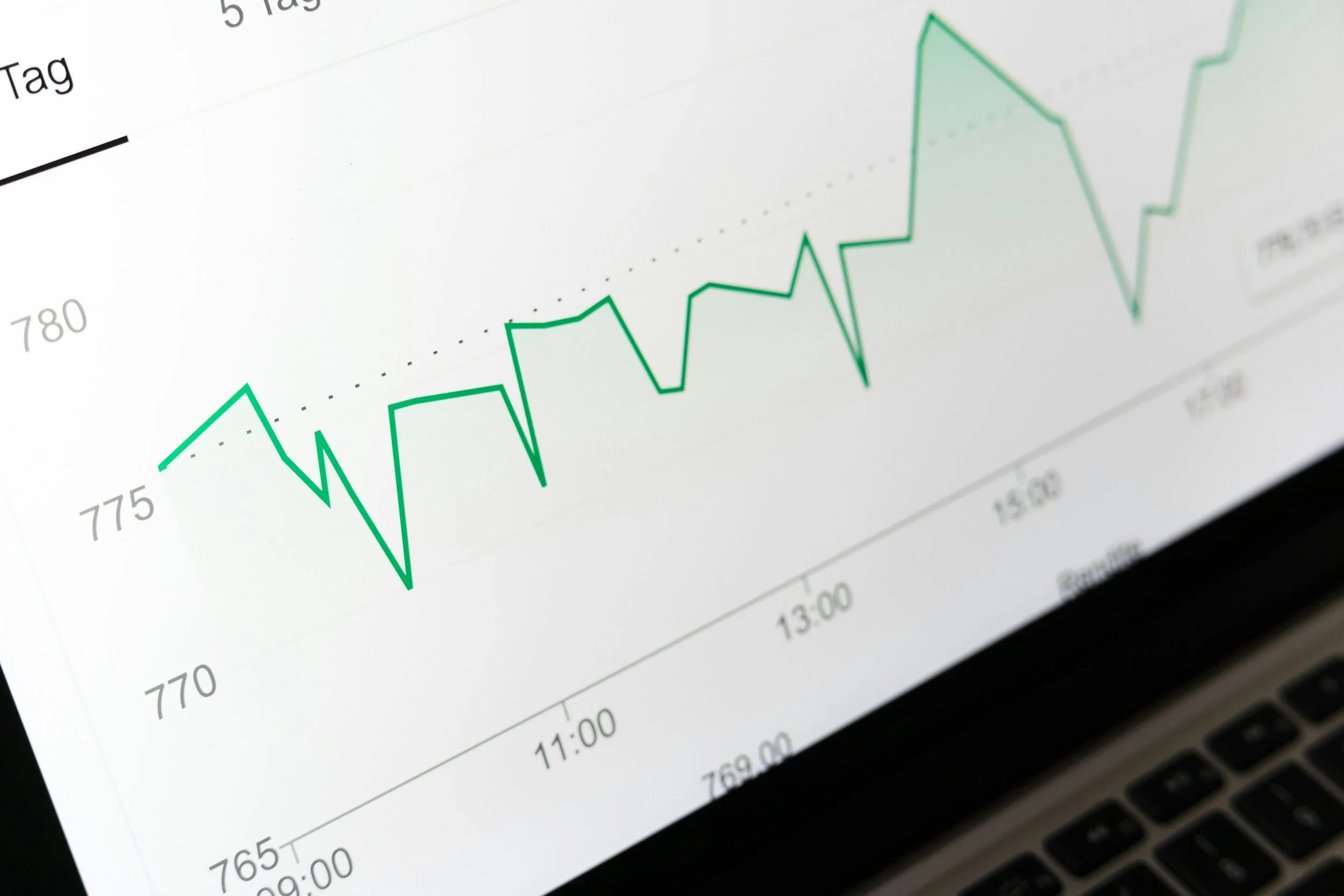
In today's hospitality market, pricing a room is no longer as simple as setting a fixed nightly rate and hoping for the best. Guest demand changes by the hour, local events influence booking behaviour, competitors adjust their prices constantly, and travellers expect to find the best value online. This is where dynamic pricing has become one of the most valuable tools available to hotels and serviced accommodation providers.
Rather than charging the same rate every day, dynamic pricing enables accommodation providers to adjust their prices based on real-time market conditions, helping maximise occupancy, increase revenue, and remain competitive.
What Is Dynamic Pricing?
Dynamic pricing is a revenue management strategy that adjusts room rates based on factors such as:
Demand and booking trends.
Occupancy levels.
Seasonality.
Local events and festivals.
Competitor pricing.
Booking lead time.
Day of the week.
Market conditions.
For example, if a major concert is announced in your city, demand for accommodation is likely to increase significantly. A property using dynamic pricing can respond immediately by adjusting rates to reflect the higher demand, whereas a fixed pricing model could leave substantial revenue on the table. Likewise, if occupancy is lower than expected for an upcoming week, prices can be strategically reduced to stimulate bookings before rooms remain empty.
Why It Matters More Than Ever
The hospitality landscape has changed dramatically over the past few years. Guests now compare dozens of properties across multiple booking platforms within minutes, often checking prices several times before making a booking. They expect competitive rates, instant availability, and the confidence that they're getting the best possible value for their money. At the same time, accommodation providers are facing more competition than ever before. It's no longer just about competing with the hotel next door, businesses are also competing with serviced apartments, aparthotels, holiday lets, boutique stays, and short-term rentals, all of which can adjust their prices in real time to respond to market demand.
Traveller behaviour has evolved too. Booking windows are becoming shorter, last-minute reservations are increasingly common, and demand can shift almost overnight due to events, weather, transport disruptions, or even viral social media trends. This means room rates that made sense yesterday may no longer be the right price today.
Static pricing simply struggles to keep pace in such a fast-moving market. It risks leaving money on the table during periods of high demand while making it harder to attract bookings when occupancy slows. Dynamic pricing, on the other hand, allows businesses to remain agile, responding to market changes as they happen rather than reacting once it's too late. By using real-time data and demand forecasting, accommodation providers can make smarter pricing decisions that maximise both occupancy and revenue while remaining competitive in an increasingly dynamic industry.
The Benefits of Dynamic Pricing
Increase Revenue
Perhaps the biggest advantage is revenue optimisation. Selling every room at the same price often means either undercharging during periods of high demand or overpricing during quieter periods. Dynamic pricing helps ensure you're charging the right price at the right time. Even modest pricing adjustments across hundreds or thousands of bookings can significantly improve annual revenue.
Improve Occupancy
An empty room can never generate income once the night has passed. Dynamic pricing helps attract bookings during quieter periods by offering more competitive rates when demand softens, improving overall occupancy without relying on blanket discounts.
Stay Competitive
Your competitors are constantly monitoring demand and adjusting their room rates to stay ahead. With modern revenue management and dynamic pricing tools, accommodation providers can track market conditions, competitor pricing, local events, and booking trends in real time, ensuring their rates remain both competitive and profitable.
Remaining competitive doesn't always mean offering the lowest price. Instead, it's about delivering the right value at the right price. A well-executed dynamic pricing strategy allows you to maximise revenue during periods of high demand while attracting more bookings when demand softens, helping you strike the perfect balance between occupancy and profitability.
Better Forecasting
Dynamic pricing software does more than adjust room rates, it provides valuable insights into booking patterns, guest behaviour, and market demand. By analysing historical data alongside real-time trends, it helps accommodation providers forecast occupancy more accurately and make informed decisions across their business.
These data-driven insights support everything from staffing and housekeeping schedules to marketing campaigns, inventory management, and long-term operational planning. With greater visibility into future demand, businesses can allocate resources more efficiently, reduce unnecessary costs, and deliver a better guest experience while maximising profitability.
Dynamic Pricing in Serviced Accommodation
For serviced accommodation providers, dynamic pricing can be even more impactful. Unlike traditional hotels, serviced accommodation often attracts a wider variety of guests, including:
Corporate travellers
Contractors
Relocation clients
Leisure visitors
Families
Long-stay guests
Each segment has different booking habits and varying levels of price sensitivity. Dynamic pricing allows operators to tailor rates according to these audiences while balancing occupancy across both short and extended stays. For example, offering discounted weekly or monthly rates during quieter periods can secure longer bookings while reducing operational costs associated with frequent guest turnover.
Common Mistakes to Avoid
While dynamic pricing is powerful, it's not simply about increasing prices whenever demand rises. Successful revenue management requires balance.
Some common mistakes include:
Making large price changes too frequently.
Ignoring competitor positioning.
Focusing solely on occupancy instead of profitability.
Failing to account for local events.
Not monitoring booking pace.
Setting minimum stay restrictions without reviewing demand.
Technology provides the data, but strategy remains essential.
Technology Is Transforming Revenue Management
Today's dynamic pricing and revenue management platforms leverage advanced algorithms, historical booking data, real-time market intelligence, and demand forecasting to recommend the optimal room rate at any given moment. Rather than relying on guesswork, these intelligent systems continuously analyse market conditions, helping accommodation providers make data-driven pricing decisions that maximise both occupancy and revenue.
Many platforms integrate seamlessly with Property Management Systems (PMS), Channel Managers, and Online Travel Agencies (OTAs), automatically updating rates across every sales channel in real time. This ensures pricing remains consistent, competitive, and responsive, regardless of where guests choose to book.
By automating pricing updates and eliminating the need for manual rate adjustments, businesses can save valuable time, reduce the risk of human error, and respond instantly to changes in demand. The result is a smarter and more efficient pricing strategy that enables hotels and serviced accommodation providers to stay competitive, while delivering stronger financial performance.
Is Dynamic Pricing Worth It?
For most accommodation providers, the answer is a resounding yes. Whether you manage a boutique hotel, a portfolio of serviced apartments, or a growing collection of short-term rental properties, dynamic pricing empowers you to make smarter pricing decisions and maximise every booking opportunity. Rather than relying on fixed room rates or manual adjustments, you can respond to real-time demand, optimise occupancy, and increase revenue with confidence.
The goal isn't simply to fill more rooms. It is about a balance of occupancy and pricing by selling the right room, to the right guest, at the right price, at exactly the right time.
Hospitality has always been a people-first industry, but the most successful businesses now combine exceptional guest experiences with intelligent, data-driven decision-making. By leveraging dynamic pricing software and revenue management technology, operators can anticipate demand, respond to changing market conditions, and remain competitive in an increasingly crowded marketplace.
What was once a strategy reserved for large hotel groups with dedicated revenue managers is now accessible to independent hotels, serviced accommodation providers, and short-term rental operators of all sizes. Modern pricing technology has levelled the playing field, giving businesses the tools they need to compete more effectively and maximise profitability.
In an industry where demand can shift overnight, relying on static pricing is no longer enough. The accommodation providers that thrive are those that can adapt quickly, make informed decisions, and confidently respond to market trends as they happen.
If you're still using fixed room rates, now is the time to rethink your pricing strategy. Your guests' booking behaviours are evolving, your competitors are embracing smarter technology, and the market is moving faster than ever. Dynamic pricing isn't just the future of hospitality, it is becoming the standard for businesses that want to increase revenue, improve occupancy, and stay one step ahead in an ever-changing market.