
Why Bristol is Attractive to Contractors and Project Teams
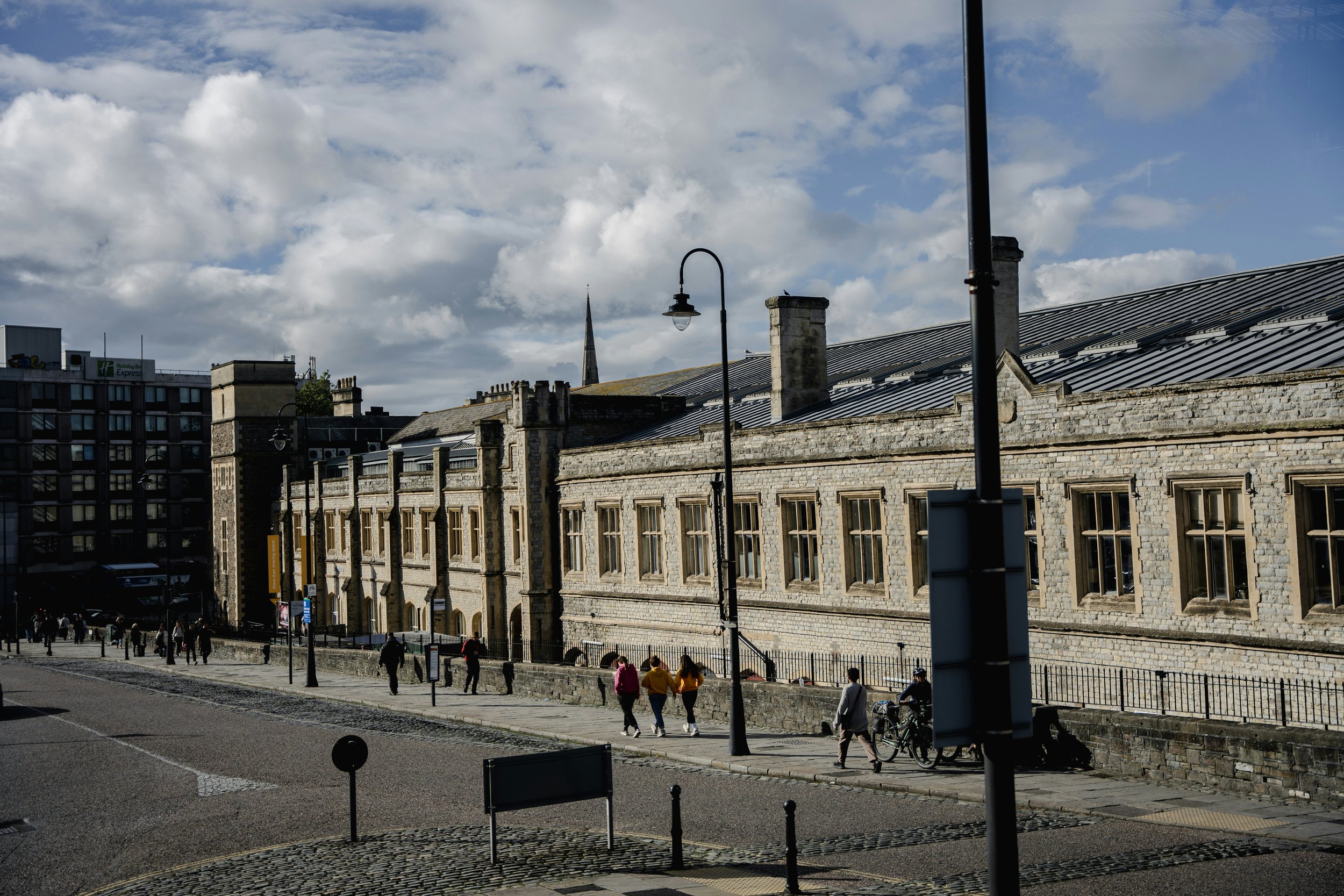
Bristol has developed a reputation as one of the South West’s most active cities for construction, regeneration and infrastructure investment. For contractors and project teams, that makes the city interesting for a reason that goes beyond its size: there is a substantial pipeline of work, a diverse mix of projects and an increasingly complex built environment to work within.
From the transformation around Bristol Temple Meads to residential development, commercial schemes, transport improvements and neighbourhood regeneration, the city is undergoing significant change.
But what makes Bristol particularly attractive to contractors and project teams?
The answer lies in the combination of development opportunities, skilled labour, major regeneration programmes, strong connectivity and a varied project landscape.
A city with plenty of development activity
For contractors, a healthy construction market is about more than having a few large schemes on the horizon. A diverse pipeline can create opportunities across different sectors and project sizes.
Bristol has activity spanning residential, commercial, education, transport, public realm, infrastructure and regeneration. Bristol City Council maintains a dedicated overview of major developments and planning applications, giving an indication of the scale and variety of projects moving through the city's development pipeline. Bristol City Council
This matters to project teams because different types of development require different capabilities.
A large residential scheme may involve complex logistics, multiple subcontractors and phased delivery. A city-centre infrastructure project can introduce demanding stakeholder, access and traffic-management requirements. Meanwhile, refurbishment and regeneration projects often require teams to work around existing buildings, businesses and communities.
For contractors with the right experience, Bristol therefore offers more than a single type of construction opportunity.
Temple Quarter is changing the scale of the opportunity
One of the clearest examples is Bristol Temple Quarter. The regeneration programme covers approximately 135 hectares and is intended to deliver around 10,000 new homes and 22,000 jobs, alongside new transport links, public spaces and sustainable infrastructure.
That scale creates opportunities well beyond one major construction contract. In January 2026, Bristol Temple Quarter LLP selected Muse as its preferred development partner for Temple Meads West and St Philip’s Marsh. The plans include 10,000 new homes, commercial space, public realm improvements and better connectivity.
And the programme is already moving from planning towards physical delivery.
In 2026, major milestones included the opening of the new eastern entrance to Bristol Temple Meads and the University of Bristol's Sloane Robinson Building. The Southern Gateway transport hub is also progressing towards construction, while further development activity is planned across Temple Quarter.
For contractors and project professionals, this is significant because large regeneration programmes can generate work across an extended period and across numerous disciplines.
Bristol offers more than traditional construction work
One of Bristol's attractions is the breadth of projects taking place across the city.
Construction teams can find themselves working on:
Residential developments
Commercial and mixed-use schemes
Education facilities
Transport infrastructure
Public realm improvements
Regeneration programmes
Highways projects
Sustainable infrastructure
Refurbishment and redevelopment
Community and neighbourhood projects
The Filwood regeneration programme, for example, includes high-street improvements and highways work, with procurement for a highways construction contractor planned for 2026 and construction expected to begin in autumn 2026. Bristol City Council
That diversity can be valuable for contractors looking to build experience across different environments rather than relying on one narrow section of the market.
A strong environment for specialist contractors
Large projects rarely succeed through the efforts of a single main contractor.
They depend on a network of specialist subcontractors, consultants, engineers, suppliers and project professionals. As projects become more technically demanding, specialist knowledge can become just as important as overall construction capacity.
Bristol's combination of major developments and regeneration means there is potential demand for expertise across areas such as:
Civil engineering
Groundworks
Mechanical and electrical services
Building services
Structural engineering
Site management
Project management
Quantity surveying
Health and safety
Environmental and sustainability services
Transport and infrastructure
Specialist refurbishment
This creates a broader ecosystem around major developments.
For project teams, that ecosystem can also make Bristol an interesting place to build professional networks and develop experience across multiple project types.
Connectivity makes Bristol practical for project teams
Location matters when you're managing construction projects. Bristol sits at the heart of the wider South West economy and has established road and rail connections to other major centres. The city is also undergoing significant investment in its own transport infrastructure.
Temple Meads is particularly important to Bristol's future connectivity. The wider Temple Quarter programme includes improvements designed to strengthen connections between the railway station, surrounding neighbourhoods and the city centre.
For contractors, consultants and project managers, good connectivity can make it easier to move between sites, attend meetings and maintain relationships with clients and supply-chain partners across the region.
That is especially relevant for businesses operating across Bristol, Bath, Gloucestershire, Somerset and the wider South West.
There is a growing focus on skills and workforce development
A major construction pipeline also needs people capable of delivering it. Bristol Temple Quarter has explicitly invested in construction skills and workforce development as part of its wider regeneration strategy. In 2025, its Hub hosted construction courses designed to help local people access opportunities created by the programme. Bristol Temple Quarter+1
This is important because labour availability is one of the practical issues that can affect project delivery.
For established contractors, a strong local skills base can support recruitment and subcontracting. For individuals, meanwhile, an active project market can create opportunities to develop experience in areas such as site management, engineering, commercial management and specialist trades.
Bristol's projects increasingly require collaboration
There is another reason Bristol stands out: many of its largest developments involve multiple organisations working together.
Temple Quarter, for example, brings together Bristol City Council, Homes England, the West of England Mayoral Combined Authority and Network Rail, alongside private-sector development and construction partners.
That creates a different working environment from a straightforward standalone construction project.
Project teams need to coordinate stakeholders, manage interfaces, navigate planning requirements, understand community considerations and maintain communication between different organisations.
For experienced contractors and project professionals, that complexity can be challenging — but it can also provide valuable experience.
Planning and early engagement matter
Bristol's development environment also means contractors and project teams need to understand what happens before construction starts.
The city's planning guidance recommends early Design Review for major schemes and provides Planning Performance Agreements as a tool for managing large developments and agreeing key stages between the council, developer and community. Bristol City Council
For contractors, this reinforces an important point: winning work in Bristol isn't simply about being able to build.
Understanding planning, programme development, procurement, stakeholder engagement and pre-construction requirements can be equally important.
The earlier a project team understands those factors, the better positioned it can be to anticipate risks once work reaches site.
Sustainability is becoming part of the opportunity
Bristol's development pipeline is also increasingly connected with sustainability, transport and environmental objectives.
Temple Quarter's plans incorporate sustainable infrastructure, new public spaces and improved connectivity, while the wider regeneration programme aims to create a mixed-use neighbourhood rather than simply adding individual buildings.
That creates opportunities for businesses with experience in areas such as energy efficiency, sustainable construction, low-carbon infrastructure, active travel and environmentally responsible site practices.
For project teams, sustainability is therefore becoming less of a standalone consideration and more of a factor that runs through design, procurement and delivery.
What does this mean for contractors?
The attraction of Bristol isn't simply that "there is construction work."
It's that the city is developing a layered construction ecosystem.
Large regeneration schemes create demand for major contractors. Those projects create opportunities for specialist subcontractors. Infrastructure improvements support new development. New development creates demand for professional services, maintenance, logistics and further investment.
At the same time, projects vary considerably in scale and complexity.
That creates a market where a contractor or project professional can potentially find opportunities that match their particular capabilities rather than having to compete for one type of work.
Bristol's construction market is about the long term
Perhaps the most important point is that Bristol's development story isn't centred on one project.
Temple Quarter is a major example, but it sits alongside neighbourhood regeneration, transport improvements, housing development, commercial schemes and other infrastructure projects across the city.
The result is a construction environment that is likely to remain important to the regional economy as Bristol continues to evolve.
For contractors and project teams, that combination of major regeneration, diverse development, infrastructure investment, specialist opportunities and a growing skills ecosystem makes Bristol a particularly interesting market to watch.
For contractors considering where to expand, project professionals looking for their next opportunity, or businesses supplying the construction sector, Bristol deserves close attention. The city has the scale to support major projects, the diversity to create opportunities across multiple sectors and a substantial regeneration pipeline already moving into delivery.